The Home Service Business Owners YouTube Strategy
We decoded 366 videos and 48,780,231 views inside the home service business niche. The corpus covers landscaping, pressure washing, cleaning, HVAC, plumbing, electrical, and junk removal, and every chapter draws only from what those real videos actually do. Read this and you will know exactly what to film, how to open it, and what to say so a local customer watches and calls.
Title Formulas That Win
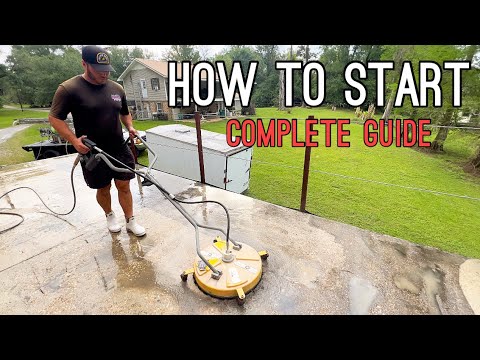
The five long-form title winners each anchor the video to something a viewer can verify before clicking. Austin Farmer's 'I SPENT 365 DAYS BUILDING A LANDSCAPING BUSINESS WITH $0 AND A TRUCK' (7,763,573 views) puts a specific timeframe and a hard constraint in the same breath. Jobber's 'How to Start a Pressure Washing Business' (1,311,491 views) and Mike Mak's 'How To Build a Cleaning Business While Working 9 To 5' (912,578 views) both use a plain 'How to' lead followed by a constraint that creates tension. Forever Self Employed's 'How To Start A Pressure Washing Business In 2026 (Complete Guide)' (890,646 views) adds a year anchor and a completeness signal in parentheses. Ewok's 'Day in the Life of an 19 Year Old HVAC Technician' (836,907 views) earns its clicks from an age detail that feels implausible. Every one of these titles names a real thing: a trade, a time, a constraint, or an identity. None of them are vague. The Shorts titles follow a different logic: 4th Gen Plumbing's 'I worked faster and got paid less??' (638,025 views) and Roger Wakefield's 'The Absolute WORST Water Heater You Could Buy' (477,712 views) use contradiction and negation to create a gap the viewer has to close by watching.
What to do: Before you write a title, write down one real constraint from your business. A dollar figure. A time. A tool. A trade. Put that constraint in the title next to the outcome. For long form, choose one of three patterns: 'I [did this] in [timeframe] with [constraint]', 'How to [outcome] While [obstacle]', or 'How To [outcome] In 2026 (Complete Guide)'. For Shorts, use a contradiction or a superlative: something the viewer does not expect to be true. Never leave a bracket in a finished title. Write the actual number, the actual trade, the actual result.
Thumbnails That Get Clicks
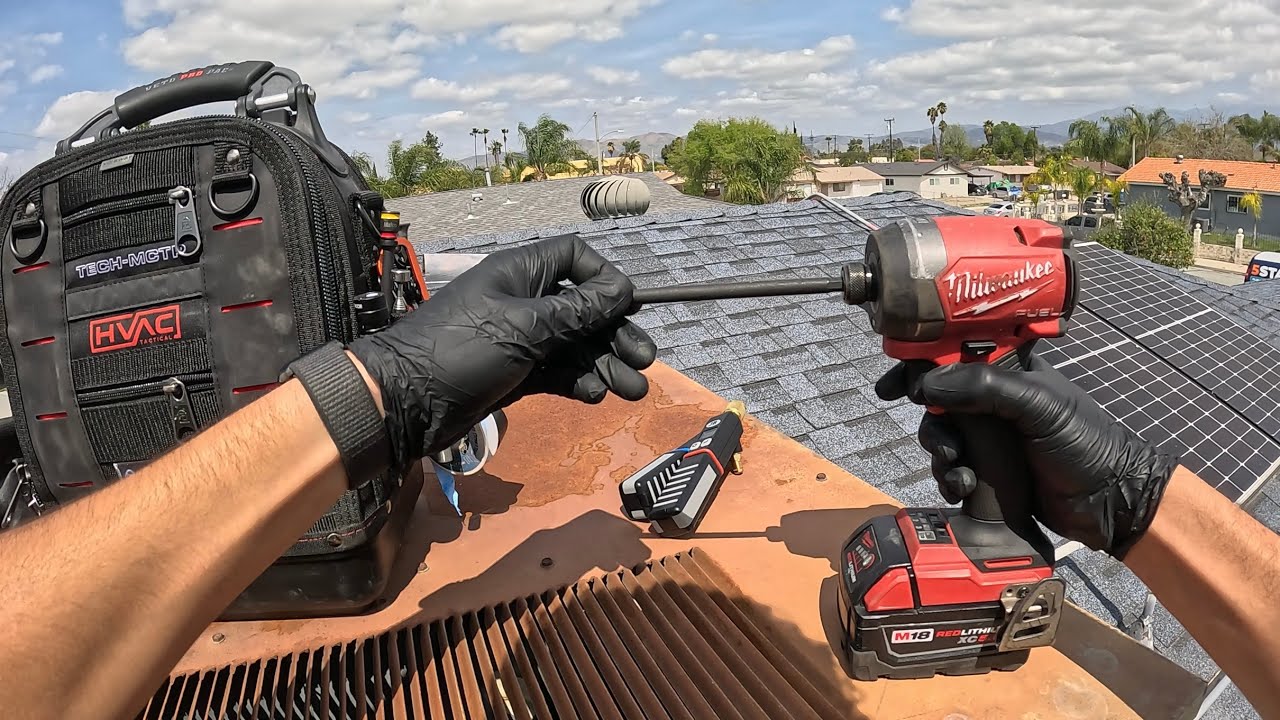
Austin Farmer's thumbnail (7,763,573 views) splits the frame into a Day 1 scene with basic equipment on the left and a Day 365 scene with upgraded equipment on a red-toned background on the right. The transformation is the hook, not a facial expression. Jobber's thumbnail (1,311,491 views) places a large figure in a bright saturated outfit mid-action on a desaturated background, with a dollar figure claim in white bold text. Mike Mak's thumbnail (912,578 views) puts the creator's face dominant in the center, with two yellow sticky notes in the upper corners showing the constraint on one side and the aspiration on the other. Forever Self Employed's thumbnail (890,646 views) positions the creator left-center actively performing the service, with 'HOW TO' in white and a descriptor in red at the top of the frame. Ewok's thumbnail (836,907 views) uses a POV shot: no face, black-gloved hands holding two branded tools against a soft-focus job site background. Every thumbnail makes the viewer's eye land on either a transformation, an action, or a specific tool. None of them are headshots against a plain background.
5 decoded examples and the instruction for this chapter are in the full Niche YouTube Strategy.
Hooks That Make People Stay
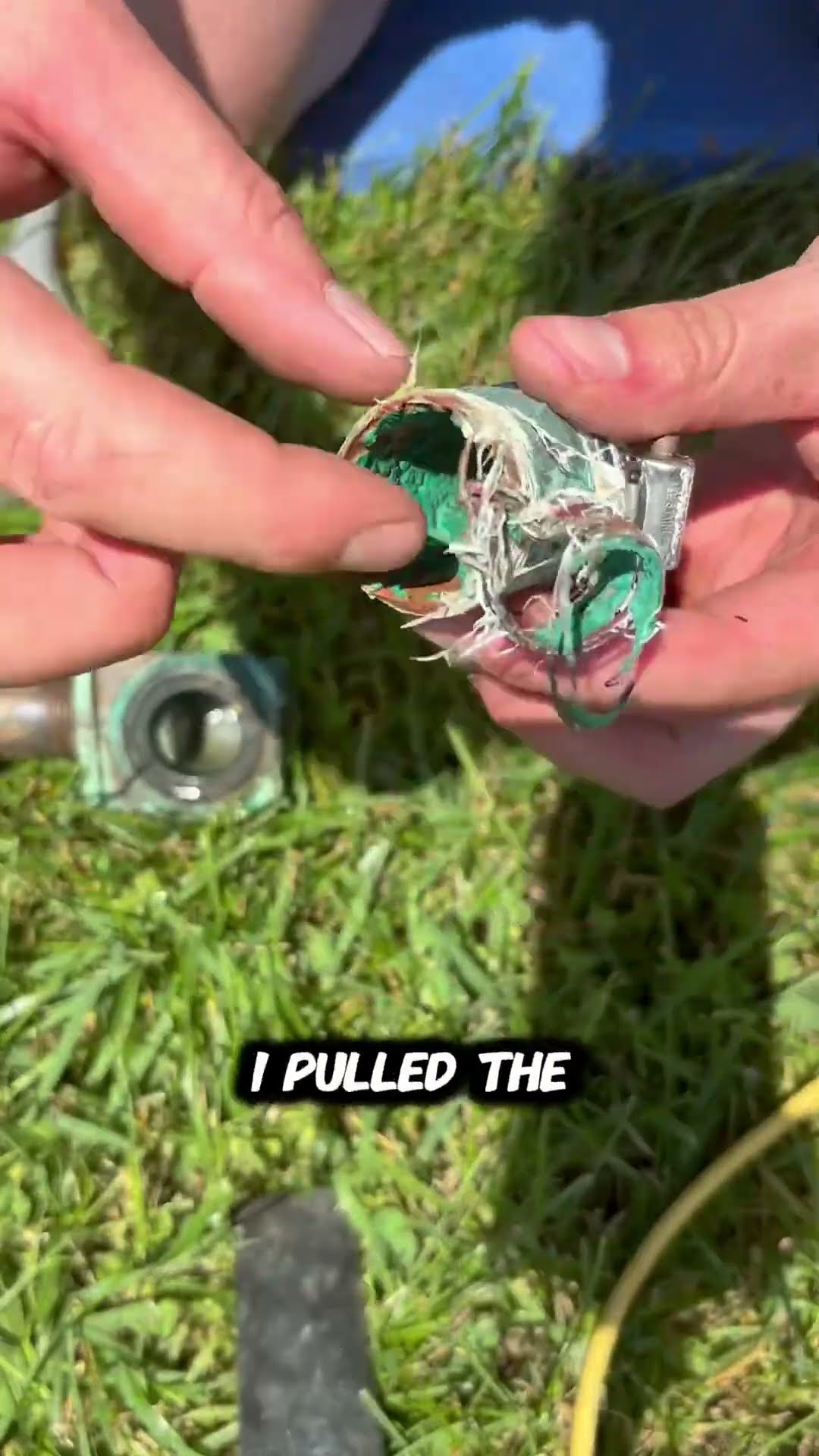
The five long-form hooks split into two camps. Jobber (1,311,491 views) opens with a specific revenue progression across three years before introducing any contradiction. Mike Mak (912,578 views) opens with a direct pain question: 'are you currently stuck at your 9 to 5 you're wanting to build a cleaning' and then immediately echoes the obstacle and promises a resolution. Forever Self Employed (890,646 views) opens by addressing the viewer's specific goal directly: 'if you're looking to start a pressure washing business you have found the right video.' Ewok (836,907 views) opens with ambient scene-setting and no hook at all, which the evidence flags as a weakness. Quality HVACR (727,644 views) also opens generically, which the evidence calls a textbook example of what not to do. The two Shorts hooks that work are both built on a problem landing in the first three seconds: 4th Gen Plumbing (638,025 views) opens with a customer noticing an alarming symptom, and William Vorobets (208,884 views) opens with a specific dollar challenge question.
10 decoded examples and the instruction for this chapter are in the full Niche YouTube Strategy.
Scripts Built To Keep Attention
Jobber (1,311,491 views) runs a multi-perspective structure: rapid income proof from two to three voices, then startup costs broken into low, mid, and high tiers, then market selection, then customer acquisition. Each section opens a practical question and pays it off with a concrete example. Mike Mak (912,578 views) delivers a phase-based system after the hook, with a CTA placed only after the first major teaching point has landed. The CTA is a like request, not a subscription ask, and it comes at the moment the viewer has received value. Forever Self Employed (890,646 views) places product CTAs early by tying them to pain points: the first CTA lands at 27 seconds, earned by naming the problem of customer management. Ewok (836,907 views) structures the video as a documentary: service call arrival, diagnosis, testing, resolution. The only CTAs come at the natural end. Quality HVACR (727,644 views) earns a product link at 4:05 by demonstrating the tool before recommending it, then closes with a like, comment, and subscribe sequence.
10 decoded examples and the instruction for this chapter are in the full Niche YouTube Strategy.
Descriptions That Earn The Search
The five long-form description winners show a wide range of approaches, and they disagree more than they agree. Jobber (1,311,491 views) uses a lead sentence, a value promise, a sponsor link, six timestamped chapters, three featured business links, and a sponsor paragraph. Mike Mak (912,578 views) uses a single CTA and two hashtags with no body text, no timestamps, and no keywords above the fold. Austin Farmer (7,763,573 views) uses an affiliate CTA, social media handles, a brief keyword-rich narrative, and three hashtags. Forever Self Employed (890,646 views) uses nine resource links with emoji labels and no lead sentence. Ewok (836,907 views) uses no lead sentence, no body content, and 53 links organized by category across 14 hashtags. The evidence flags missing lead sentences and missing timestamps as weaknesses in every video that lacks them. The one pattern the evidence recommends across all five is a keyword-rich first sentence in the first 125 characters, followed by timestamps if the video has chapters.
7 decoded examples and the instruction for this chapter are in the full Niche YouTube Strategy.
Stories That Keep Viewers Watching
Jobber (1,311,491 views) opens with multiple success stories as proof, then moves to a startup blueprint, then to market selection, then to customer acquisition. Each act answers one practical question before the next opens. Mike Mak (912,578 views) moves from the viewer's pain point to a commitment reframe using the narrator's own past as evidence, then delivers a four-phase system. Forever Self Employed (890,646 views) structures around legal foundation first, then equipment, then customer acquisition, in that order. Ewok (836,907 views) uses a documentary arc: service call arrival, diagnosis, a moment of competitive contrast where a previous technician failed and Ewok succeeds, then resolution. Quality HVACR (727,644 views) uses a problem-and-constraint setup, then a step-by-step build, with tool introductions timed to the moment they are needed. Every winning long-form video has a turn: a moment where the story shifts from setup to proof, or from doubt to resolution.
5 decoded examples and the instruction for this chapter are in the full Niche YouTube Strategy.
Make this first
Topic: home service business startup proof. Format: long form. Working title: 'I Spent 365 Days Building a Home Service Business With One Truck (Here Is What It Cost Me)'.
Coaches and owners running multi-crew plumbing, HVAC, or electrical companies ask us
Do I need a big following before YouTube starts sending me leads?
No. Jobber's 'How to Start a Pressure Washing Business' pulled 1,311,491 views and was a branded channel for a software company, not a personal creator with a large following. Austin Farmer's landscaping video reached 7,763,573 views as a first-person business story. What drives views in this niche is a specific topic, a clear constraint in the title, and a hook that names the viewer's exact situation in the first sentence. The following grows after the views, not before.
What kind of video actually makes the phone ring for a plumbing or HVAC company?
In this corpus, the videos that earn the most engagement are either startup proof videos, day-in-the-life job site documentaries, or step-by-step trade tutorials. Ewok's 'Day in the Life of an 19 Year Old HVAC Technician' reached 836,907 views by showing a real service call, a real diagnosis, and a moment where a previous technician had failed. Local customers watching that format see competence before they call. The job site documentary format requires no special equipment, just a camera on the job.
How long should a home service business video be?
Every topic in this corpus that broke 500,000 views in long form ran as a full tutorial or documentary, not a short summary. The evidence covers both long form and Shorts, and they serve different purposes. Long form, used by Austin Farmer (7,763,573 views), Jobber (1,311,491 views), and Forever Self Employed (890,646 views), earns trust and explains a system. Shorts, used by 4th Gen Plumbing (638,025 views) and Roger Wakefield (484,826 views), create a single impression fast. Film the full tutorial first, then cut a Short from the most striking moment.
What should the thumbnail show for a home service video?
The five highest-performing thumbnails in this corpus each show one of three things: a before-and-after transformation (Austin Farmer's Day 1 versus Day 365 split frame, 7,763,573 views), a subject mid-action in trade colors with a dollar figure in white text (Jobber, 1,311,491 views), or a POV shot of gloved hands holding the actual tools used on the job (Ewok, 836,907 views). A headshot against a plain background does not appear in any of the top five.
What goes in the first three seconds of a home service video?
The evidence is consistent on this for long form: either a specific dollar figure stated aloud, a direct question that names the viewer's exact problem, or a statement that addresses the viewer's goal before anything else. Mike Mak (912,578 views) opens with 'are you currently stuck at your 9 to 5 you're wanting to build a cleaning business.' Forever Self Employed (890,646 views) opens with 'if you're looking to start a pressure washing business you have found the right video.' Both name the viewer's situation before naming themselves. Do not open with a greeting or your company name.
Should I talk about pricing and money on camera?
Yes. The evidence shows that dollar figures in titles and hooks are a consistent feature of the top performers. Austin Farmer's title references '$0 and a truck' (7,763,573 views). Jobber's thumbnail shows an earnings claim (1,311,491 views). William Vorobets's Short 'Trying to break $1,000 profit myself during 9-5' reached 208,884 views with a running profit tally as the entire structure. Customers who see real numbers trust the business more, not less.
What is the right structure for a how-to video about starting a service business?
Forever Self Employed's 'How To Start A Pressure Washing Business In 2026 (Complete Guide)' at 890,646 views uses three acts: legal foundation and insurance first, then all equipment and chemicals with specific specs, then customer acquisition. Jobber (1,311,491 views) opens with income proof from multiple people, then breaks down startup costs in three tiers, then covers market selection. Both videos answer one practical question per section before moving to the next. Write the three questions your video will answer before you film a single shot.
Do Shorts work for a trade business, or is that just for entertainers?
In this corpus, the top Shorts come from trade channels. 4th Gen Plumbing's 'I worked faster and got paid less??' reached 638,025 views. Roger Wakefield's 'How to Make the PERFECT Press Joint' reached 484,826 views and 'The Absolute WORST Water Heater You Could Buy' reached 477,712 views. WIRED BY CHRIS's 'The 6-12 Rule for Receptacle Spacing (NEC Code Explained)' reached 272,681 views. All of them show a real trade task or a real trade problem. The format is a collapsed tutorial or a story arc, not entertainment.
What is the biggest mistake in home service video descriptions?
Every description reviewed in this corpus that underperformed had the same flaw: the first 125 characters were either empty, a generic CTA, or a list of links. The evidence flags this as a weakness in Ewok's 836,907-view video, Forever Self Employed's 890,646-view video, and Mike Mak's 912,578-view video. The fix is a single keyword-rich sentence that names the trade, the topic, and what the viewer will learn, placed before anything else in the description.
When in the video should I ask viewers to call or visit my website?
The evidence shows that CTAs in the winning long-form videos are placed after the viewer has received something useful, not at the top. Mike Mak (912,578 views) places his first CTA at 2:09, after the first major teaching point. Forever Self Employed (890,646 views) places a product CTA at 27 seconds, but only after naming a specific pain point. Quality HVACR (727,644 views) earns a product link at 4:05 by demonstrating the tool before recommending it. The rule is: deliver value, then ask.
What title pattern works best for a home service business video in 2026?
The long-form title evidence shows three patterns that each crossed 800,000 views. First: 'I [did this] in [specific timeframe] with [hard constraint]' (Austin Farmer, 7,763,573 views). Second: 'How To [outcome] While [obstacle]' (Mike Mak, 912,578 views). Third: 'How To [outcome] In 2026 (Complete Guide)' (Forever Self Employed, 890,646 views). All three name a real trade or outcome, include a constraint or time anchor, and contain no vague words like 'tips' or 'strategies'.
Do I need professional video equipment to compete in this niche?
Ewok's 'Day in the Life of an 19 Year Old HVAC Technician' (836,907 views) used a POV shot with no visible face and tools as the only visual element. Quality HVACR's 'How To: Fabricate A Plenum Box With BASIC Hand Tools' reached 727,644 views filming a sheet metal fabrication on a job site. The evidence does not show professional studio production in any of the top five long-form thumbnails or hooks. What is consistent is good daylight, an active subject, and a real trade task visible in frame.
What makes a junk removal or cleaning business video different from an HVAC or plumbing video?
In this corpus, junk removal videos lead with a profit challenge or a single job's earnings. Jack of Haul Trades's 'My Small Junk Removal Business Made HUGE Profits Today' (567,142 views) puts the financial result in the title. William Vorobets's Short opens with a specific dollar goal. HVAC and plumbing videos lead with a technical problem or a diagnostic moment, as in Ewok's service call arrival (836,907 views) and Quality HVACR's measurement setup (727,644 views). The niche determines whether the hook is financial or technical.
How do I turn one job site day into a video without hiring an editor?
Ewok's 'Day in the Life of an 19 Year Old HVAC Technician' at 836,907 views follows a simple documentary arc: arrive at the call, show the problem, test and diagnose, resolve, debrief. The evidence shows the structure moves through five to six named beats with a turn, a moment of competitive contrast, before the halfway point. Film each beat as a separate clip. The edit is chronological. No motion graphics, no studio. The job is the content.







 638K views
 491K views
 902K views
 891K views

 356K views
 315K views
 744K views
 209K views

 15K views