The Parenting YouTube Strategy
We analyzed 132 parenting videos carrying 1,628,801,215 combined views and mapped every pattern that separates the videos people watch from the ones they skip. This niche is built from two completely different crafts: Shorts driven by intimate family moments and long-form videos driven by numbered lists, credentialed presenters, and downloadable resources. By the end of this strategy you will know which format fits your business, what your title must say, what your first three seconds must do, and what your description must contain before a viewer ever dials your number.
Title Formulas That Win
The long-form winners all open with a number. Emma Hubbard's '7 Essential New Parent Hacks for Baby Bliss' (5,997,882 views), '10 Subtle Signs Of Autism Most Parents Miss' (3,409,297 views), '7 Sleep Tips for Newborns: Help Your Newborn Sleep' (3,198,165 views), and '7 Common Pregnancy Mistakes That Increase Risk of Postnatal Complications' (3,018,342 views) each lead with a digit. The TED video 'The Single Most Important Parenting Strategy | Becky Kennedy | TED' (3,720,805 views) replaces the number with a superlative and pairs it with a named expert and an authority badge. The Shorts winners do something different. Shai Ross uses a specific day count followed by an ellipsis: 'Day 3,497 of fatherhood..' (214,242,952 views), 'Day 3,716 of raising children..' (132,358,639 views), and 'Day 3,544 of raising a healthy, hardworking, Confident child..' (84,253,184 views). In aMother World uses a conversational question or relatable idiom. The two tracks do not share a title formula.
Long form that won:
- Boys vs Girls - Who's The Better Parent? Jordan Matter · 40,242,118 views · A
- New Parent Stereotypes Dude Perfect · 37,038,015 views · A
- WHO ARE THE BETTER PARENTS?! Alexa Rivera · 24,606,943 views · A
- Surviving Every Year as a Parent in 24 Hours Jazzy Skye · 9,263,619 views · A
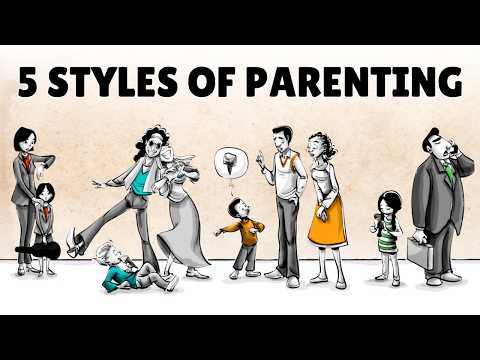
- 5 Parenting Styles and Their Effects on Life Sprouts · 7,782,419 views · A
Shorts that won:
- Mom's Unique Approach to Teaching Kids Hygiene #shorts Fabiosa Stories · 235,628,963 views · A
- Day 3,497 of fatherhood.. Shai Ross · 214,376,249 views · A
- How to get your kids to help around the house🤪 #parenting #parents #momlife #familychannel The Fluellen Fam · 145,258,666 views · A
- Day 3,716 of raising children.. #shorts Shai Ross · 132,651,637 views · A
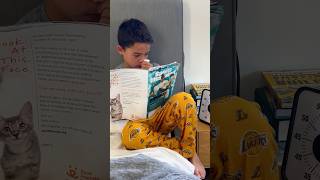
- HOW A 9 YEAR OLD BOY DOES SICK DAYS #shorts WhatsUpMoms · 108,001,407 views · A
What to do: For long form, open with a number, follow it with an adjective that signals a gap in the viewer's knowledge, name the topic, and end with a consequence the viewer fears or wants. Write this before you film anything, because the title shapes what you shoot. For Shorts, use a specific day count if you are documenting a real journey, or a conversational question that anyone with children would recognize. Do not carry hashtags into the title itself. Keep long-form titles under 70 characters so they do not truncate in the feed.
Thumbnails That Get Clicks
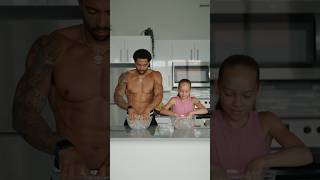
The long-form winners from Emma Hubbard use large faces paired with a clear emotional contrast. '7 Sleep Tips for Newborns' (3,198,165 views) shows an exhausted parent on the left in desaturated tones and a peacefully sleeping baby on the right in warm gold. '7 Common Pregnancy Mistakes' (3,018,342 views) puts a warmly smiling pregnant woman on the left against a dark teal background with a warning overlay on the right. '10 Subtle Signs Of Autism' (3,409,297 views) uses two neutral-expression subjects in a comparison layout. The TED thumbnail for 'The Single Most Important Parenting Strategy' (3,720,805 views) places the speaker in the right two-thirds with an open-palm gesture and positions the bold title text on the left. For Shorts, the decoded winners show a shocked or exasperated parent face centered in frame with an innocent child visible behind them, as seen in the Solmonson Zellmer example.
5 decoded examples and the instruction for this chapter are in the full Niche YouTube Strategy.
Hooks That Make People Stay
The long-form winners each open with a conditional statement or a problem reframe. Emma Hubbard's '10 Subtle Signs Of Autism' (3,409,297 views) opens with 'If your child does this with their eyes when you stop playing with them,' which names a specific behavior and leaves the outcome open. '7 Common Pregnancy Mistakes' (3,018,342 views) opens by naming a mundane activity that becomes complicated during pregnancy, then immediately explains the anatomical reason why. The Shorts winners do not follow a conventional hook structure. The decoded evidence for Shai Ross's top three videos notes in each case that the opening is conversational filler rather than a formal hook, yet these videos carry 214,242,952, 132,358,639, and 84,253,184 views respectively. In aMother World's Shorts open mid-conversation with a child's dialogue. The evidence flags these as areas for improvement, not models to copy.
10 decoded examples and the instruction for this chapter are in the full Niche YouTube Strategy.
Scripts Built To Keep Attention
The long-form winners from Emma Hubbard each place a lead magnet or free resource early and repeat a watch-next prompt at the end. '7 Sleep Tips for Newborns' (3,198,165 views) offers a free developmental milestone PDF at the 18-second mark, before the main content begins. '10 Subtle Signs Of Autism' (3,409,297 views) drops a free language guide after the teaching section at 8:11, positioned immediately after the viewer has learned something useful. '7 Essential New Parent Hacks' (5,997,882 views) places a link-in-description CTA at 4:24 mid-tip, then closes with a watch-next prompt that uses an open loop. The TED video 'The Single Most Important Parenting Strategy' (3,720,805 views) carries no product CTA; its payoff is purely emotional. The Shorts winners from Shai Ross and In aMother World carry no explicit CTAs at all.
10 decoded examples and the instruction for this chapter are in the full Niche YouTube Strategy.
Descriptions That Earn The Search
Emma Hubbard's long-form descriptions follow two patterns. '7 Sleep Tips for Newborns' (3,198,165 views) and '7 Essential New Parent Hacks' (5,997,882 views) lead with a relatable pain point in the first 125 characters, then stack a free resource link, course links, and social links, followed by timestamped chapters. '10 Subtle Signs Of Autism' (3,409,297 views) leads directly with the download link, then adds a core promise, behavioral examples, a disclaimer, and 10 timestamped chapters. '7 Common Pregnancy Mistakes' (3,018,342 views) opens with a reassurance statement, lists the specific conditions covered, then moves to course and social links. The TED description leads with an emotional hook and pairs it with Becky Kennedy's credentials before adding membership and social CTAs. All long-form winners in this set use exactly three hashtags.
5 decoded examples and the instruction for this chapter are in the full Niche YouTube Strategy.
Stories That Keep Viewers Watching
The long-form winners each follow a four-act structure. Act one establishes authority and names the viewer's problem. Act two delivers the foundational knowledge. Act three works through the numbered list with testable demonstrations. Act four closes with an emotional payoff or a repair moment. Emma Hubbard's '7 Essential New Parent Hacks' (5,997,882 views) opens by promising counterintuitive hacks, then delivers them in clusters by category. '10 Subtle Signs Of Autism' (3,409,297 views) opens with the stakes, immediately follows with a reassurance that one or two signs do not equal a diagnosis, then walks through each sign with an at-home test. The TED video 'The Single Most Important Parenting Strategy' (3,720,805 views) builds from a kitchen rupture story to a named framework to a direct address of the viewer's fear that it is too late. The Shorts winners from Shai Ross use an intimate moment structure: a quiet task, a gratitude exchange, and a prayer or blessing as the emotional payoff.
5 decoded examples and the instruction for this chapter are in the full Niche YouTube Strategy.
Make this first
Topic: signs of autism. Format: long form. Working title: 10 Subtle Signs Of Autism Most Parents Miss.
Parenting ask us
Do I need to be on camera to get views in the parenting niche?
In the long-form winners decoded here, Emma Hubbard appears on camera in every video and her four top videos each exceeded 3 million views. The '7 Essential New Parent Hacks for Baby Bliss' thumbnail shows hands and a baby with no face at all and still reached 5,997,882 views. So a face helps, but the decoded evidence shows at least one high-performing long-form thumbnail that skips it entirely.
How long should my parenting video be?
The corpus decoded here contains two separate formats and they do not mix. The long-form winners from Emma Hubbard run as structured numbered-list videos with timestamped chapters, which typically run 10 to 15 minutes. The Shorts winners from Shai Ross and In aMother World run under 60 seconds. Choose one format and apply only that format's rules. A long-form strategy applied to a Short will fail, and vice versa.
What topics actually get views in parenting?
Based on the 132 decoded videos behind this book, the highest-view topic in the corpus is the day-count format used by Shai Ross, which produced 618,012,560 views across 8 Shorts. Confident child content produced 173,659,822 views across 3 Shorts. On the long-form side, signs of autism reached 5,079,962 views across 2 videos, and baby sleep content reached 4,530,814 views across 2 videos. These are the topics the evidence supports.
Should I put hashtags in my title?
The decoded title evidence recommends against it. In aMother World's 'How do you want your spaghetti?' title uses 68 characters, with 30 of them consumed by hashtags. The decoded analysis notes that those characters would be more effective strengthening the hook. Move hashtags to the description, where the Emma Hubbard long-form winners use exactly three and place them at the end of the description block.
Do I need a call to action in a Short?
The three top Shai Ross Shorts in this corpus, carrying 214,242,952, 132,358,639, and 84,253,184 views respectively, all have no explicit call to action. The two top In aMother World Shorts also carry no explicit CTA. The decoded evidence for this format is consistent: the moment itself is the ask. Adding a verbal CTA is not something the top Shorts winners in this corpus do.
What should I offer in my long-form video to get people to contact me?
The decoded long-form winners use a free downloadable resource as the primary conversion tool. Emma Hubbard's '7 Sleep Tips for Newborns' (3,198,165 views) offers a free developmental milestone PDF at 18 seconds. '10 Subtle Signs Of Autism' (3,409,297 views) offers a free language guide at 8:11, positioned immediately after the strongest teaching moment. The resource is placed early and repeated once after peak value delivery.
How do I write a description that actually helps my video get found?
The decoded long-form winners open the description with a pain-point sentence in the first 125 characters, place the primary link immediately after, add timestamped chapters for every major section, and close with exactly three hashtags. Emma Hubbard's '7 Essential New Parent Hacks for Baby Bliss' (5,997,882 views) uses this structure with 7 chapter timestamps and 6 links. A blank or hashtag-only description is not present in any of the decoded winners.
What makes the 'Day X of fatherhood' format work?
Shai Ross's day-count format works because the number is specific and large. 'Day 3,497 of fatherhood..' (214,242,952 views) signals a real journey rather than a staged video. The ellipsis creates a pause that functions as a curiosity gap. The decoded evidence notes the actual hook is conversational rather than a formal pattern interrupt, yet the title and the authenticity of the moment carry the video. The number must be real and specific, not rounded.
Do I need a credential to make parenting content work?
The long-form winners split on this. Emma Hubbard presents as a credentialed practitioner and names that credential within the first 20 seconds of '10 Subtle Signs Of Autism' (3,409,297 views). The TED video leads with Becky Kennedy's name and the TED authority badge in the title itself (3,720,805 views). The Shai Ross Shorts carry no stated credential and reach nine-figure view counts. Credentials help long-form content; they are not a factor in the decoded Shorts winners.
What number should I use in my title?
The decoded long-form winners use 7 and 10 across Emma Hubbard's four top videos: 7 hacks, 10 signs, 7 sleep tips, 7 pregnancy mistakes. These are the numbers that appear in the titles of videos carrying between 3,018,342 and 5,997,882 views each. The evidence does not support a universal rule about which number is best, only that a number must appear and must lead the title.
How do I structure a long-form parenting video?
The decoded winners follow four acts. Act one establishes authority and names the problem. Act two delivers foundational knowledge or a reassurance that lowers viewer anxiety. Act three works through the numbered list with one testable demonstration per point. Act four closes with an emotional beat. Emma Hubbard's '10 Subtle Signs Of Autism' (3,409,297 views) adds a specific reassurance in act one that seeing one or two signs does not equal a diagnosis, which reduces the anxiety that might otherwise cause a viewer to click away.
What is the biggest mistake in parenting video titles?
The decoded title analysis flags two consistent problems. First, titles that exceed 70 characters truncate in the YouTube feed. Emma Hubbard's '7 Common Pregnancy Mistakes That Increase Risk of Postnatal Complications' (3,018,342 views) runs 77 characters and is flagged for this in the evidence. Second, generic qualifiers like 'essential' or 'common' weaken the curiosity gap. The evidence recommends specificity over category words.
Can I use humor to get views in parenting?
Yes, and the decoded evidence is specific about where it works. In aMother World's 'How do you want your spaghetti?' (81,117,997 views) and 'Way to burst my bubble' (79,126,861 views) both use relatable family humor in Shorts format with no explicit call to action. The humor comes from the child's authentic response subverting the parent's expectation. It is not scripted comedy. Both videos carry no CTA and rely entirely on shareability as the growth mechanism.
How do I know whether to make a Short or a long-form video?
The decoded corpus separates cleanly by format and topic. Shorts dominate the day-count, family-moment, and relatable-humor topics. Long form dominates signs, symptoms, numbered tips, and expert-led strategy content. If your business generates calls by answering a specific parenting question, make long form. If your goal is reach and brand recognition through authentic family moments, make Shorts. Do not apply the title, hook, or script rules from one format to the other.

 KNOW WHAT WINS





 235.6M views
 37.0M views
 214.4M views
 24.6M views

 9.3M views
 7.8M views

 108.0M views
 96.1M views
 84.3M views