The Leadership Development YouTube Strategy
We decoded 156 Leadership Development videos carrying 83,935,072 views and read every title, thumbnail, hook, script, description, and story structure behind them. The niche is built on authority-backed claims, contrarian reframes of what leadership actually means, and a viewer who wants to know if they are doing it wrong. After reading this strategy, you will know what to film, how to open it, how to structure it, and how to describe it so the right people find it and call you.
Title Formulas That Win
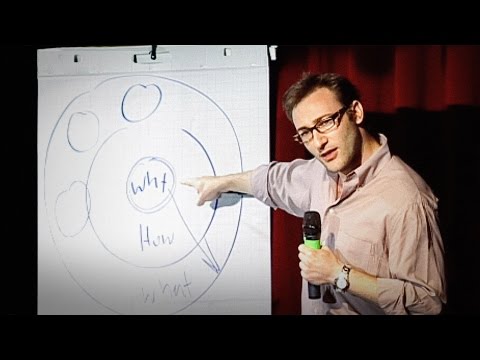
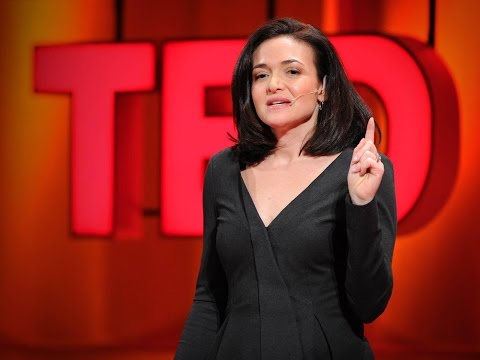
The five long-form title winners share two moves. The first is a negation or correction frame: 'Most Leaders Don't Even Know the Game They're In' (Simon Sinek, 10,479,239 views) tells the viewer they are probably wrong about something they thought they understood. 'Lean Into Imposter Syndrome, Don't Give In to It' (Harvard Business Review, 2,715,639 views) uses a direct contradiction in a single line. The second move is an authority signal: Simon Sinek, Sheryl Sandberg, and Myles Munroe are named in the title itself. 'Why we have too few women leaders | Sheryl Sandberg' (TED, 4,024,271 views) and 'Discovering Your Personal Leadership | Dr. Myles Munroe | MunroeGlobal.com' (Munroe Global, 3,662,656 views) both use the pipe character to attach a name to the topic. The Shorts titles, including 'The Cost of Close-Minded Leadership' (Andy Stanley, 1,534,299 views) and 'The Real Job of a Leader' (Simon Sinek, 1,207,197 views), drop the authority name and lean harder on the correction frame alone, kept very short.
Long form that won:
- How Great Leaders Inspire Action | Simon Sinek | TED TED · 22,839,013 views · A
- Most Leaders Don't Even Know the Game They're In | Simon Sinek Simon Sinek · 10,483,156 views · A
- Why we have too few women leaders | Sheryl Sandberg TED · 4,041,614 views · A
- Discovering Your Personal Leadership | Dr. Myles Munroe | MunroeGlobal.com Munroe Global · 3,664,364 views · A
- How To Become An Influential Leader: Best Strategy By Myles Munroe For Success | MunroeGlobal.com Munroe Global · 3,200,029 views · A
Shorts that won:
- She called timeout to calm down her pitcher ✋ #leadership #softball #shorts We Need To Talk · 1,869,957 views · A
- Changing Your Approach Can Make a HUGE Difference | Simon Sinek Simon Sinek · 1,540,068 views · A
- The Cost of Close-Minded Leadership Andy Stanley · 1,534,311 views · A
- The Real Job of a Leader Simon Sinek · 1,210,424 views · A
- What Is Leadership ? - Jim Collins Motivation The Conscious Commune · 1,078,402 views · A
What to do: Write your title as a correction or a negation first. Start with 'Most,' 'The Real,' 'What,' or 'Why' and follow it with something the viewer currently believes is wrong. Then add your name after a pipe if you have a recognised credential in this space. Keep the whole title under 70 characters. Do not put your website in the title. Write the topic word — leader, leadership, decision, emotional intelligence — in the first half of the title so YouTube routes it correctly.
Thumbnails That Get Clicks
The long-form winners share a consistent composition. The speaker's face is large, positioned in the right or centre-left third of the frame, and the expression is calm and authoritative rather than shocked or excited. Simon Sinek's thumbnail for 'Most Leaders Don't Even Know the Game They're In' (10,479,239 views) carries no text at all — just an animated, open-mouthed mid-speech expression against a cool-toned background with an open hand gesture. The two Munroe Global winners (3,662,656 views and 3,197,689 views) use the same structure: speaker in formal attire on the right, large gold headline text in the centre-left, and a cream or neutral background with warm gold accents. Sheryl Sandberg's thumbnail (4,024,271 views) uses a bold monochromatic background and a raised teaching hand. Harvard Business Review's thumbnail (2,715,639 views) places white bold text on the left against a blurred office background. None of the long-form winners use a number on the thumbnail.
5 decoded examples and the instruction for this chapter are in the full Niche YouTube Strategy.
Hooks That Make People Stay
The decoded data shows a gap between what the biggest videos do and what the research says they should do. 'Most Leaders Don't Even Know the Game They're In' (Simon Sinek, 10,479,239 views) opens with 23 seconds of applause. 'Discovering Your Personal Leadership' (Munroe Global, 3,662,656 views) opens with 'Thank you for joining us for another' — a 24-second preamble before content begins. 'How To Become An Influential Leader' (Munroe Global, 3,197,689 views) opens the same way. The hook analysis flags all three as broken and recommends removing the preambles entirely. The videos that execute a clean hook are the Shorts. 'The Real Job of a Leader' (Simon Sinek, 1,207,197 views) opens in three seconds: 'The real job of a leader is not about being in charge, it's about taking care of those in our charge.' 'The Cost of Close-Minded Leadership' (Andy Stanley, 1,534,299 views) opens with a repeated question that escalates stakes immediately. 'What Exceptional Self-Leaders Know' (Andy Stanley, 947,285 views) opens with a single unanswered question that reframes the topic.
10 decoded examples and the instruction for this chapter are in the full Niche YouTube Strategy.
Scripts Built To Keep Attention
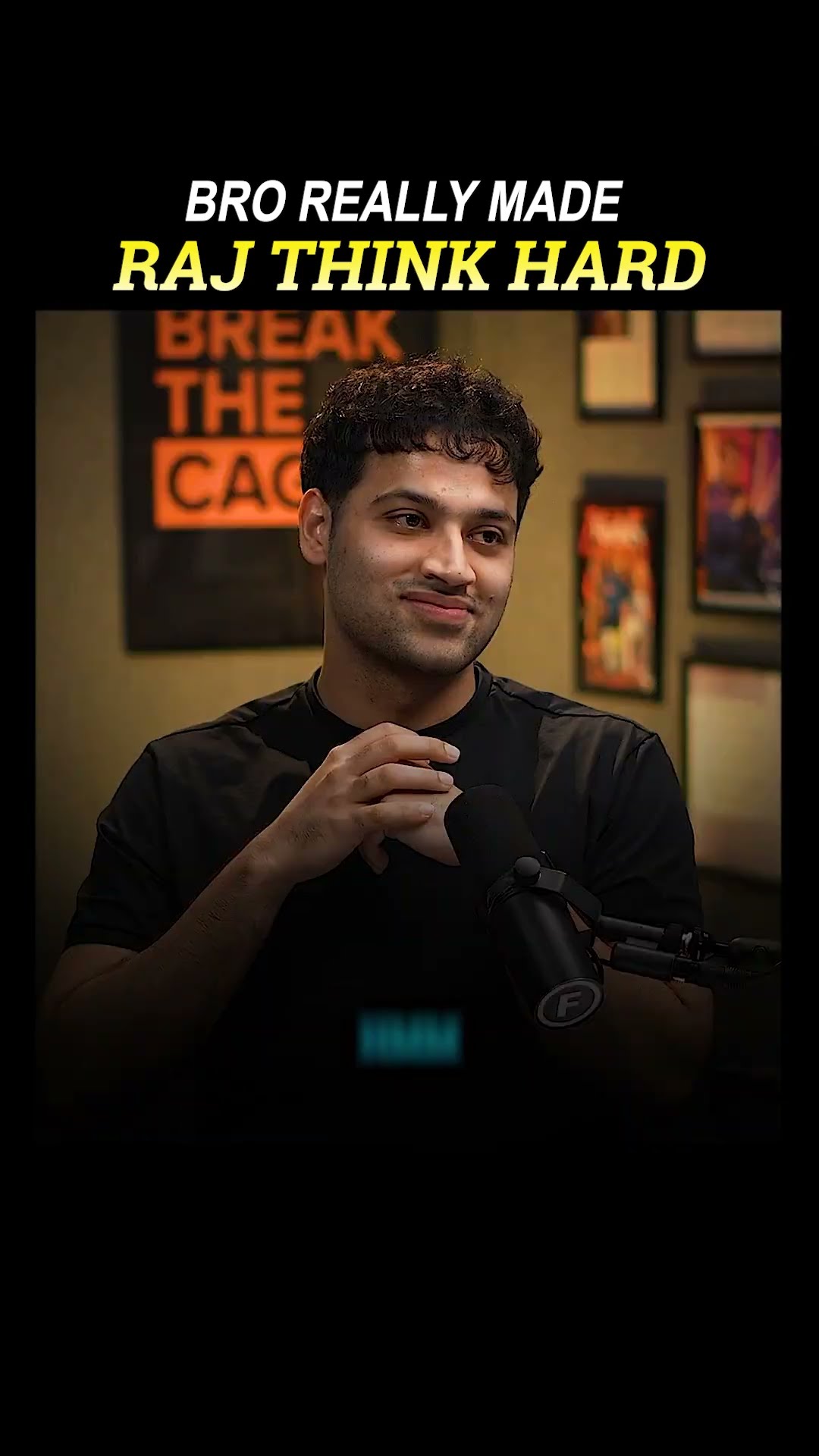
The long-form scripts follow an essay structure anchored by a central paradox or claim. 'Most Leaders Don't Even Know the Game They're In' (Simon Sinek, 10,479,239 views) moves from personal confession to two core ideas, then proves each through narrative. 'Why we have too few women leaders' (TED, 4,024,271 views) uses a documented-essay pattern: bold problem statement, vulnerability moment, framework reveal with three named points, personal anecdote per point, then a complication. 'Lean Into Imposter Syndrome, Don't Give In to It' (Harvard Business Review, 2,715,639 views) runs a tighter version: cold open paradox, escalation, mechanism explanation, reframe, memorable closing principle. The Shorts scripts are a single arc: hook, build, payoff. 'The Real Job of a Leader' (Simon Sinek, 1,207,197 views) closes with a line that loops back to the opening. 'Importance of Decision Making' (Raj Shamani Shorts, 1,030,804 views) uses a Socratic exercise — question, struggle, reveal, principle — and closes with a course mention.
10 decoded examples and the instruction for this chapter are in the full Niche YouTube Strategy.
Descriptions That Earn The Search
The long-form description winners divide into two patterns. The first is a speaker bio with a link stack: Simon Sinek's 'Most Leaders Don't Even Know the Game They're In' (10,479,239 views) leads with a philosophical statement about the keynote theme, names the event, provides a speaker bio, and then stacks nine links. There are no hashtags and no timestamps. The second pattern, used by both Munroe Global videos (3,662,656 views and 3,197,689 views), leads with a keyword-rich paragraph, lists products with purchase links, adds a subscribe call to action, and closes with hashtags and social links. Harvard Business Review's description for 'Lean Into Imposter Syndrome' (2,715,639 views) opens with a keyword-rich emotional hook question in the first 125 characters, names the expert and the book, and then stacks links. Big Think Plus's 'Emotional Intelligence' (2,002,781 views) opens with a membership call to action and a link before the content description. The Shorts descriptions in the corpus are minimal: Raj Shamani Shorts (1,030,804 views) uses guest name plus topic hook in the first 125 characters, then stacks subscribe and social links.
8 decoded examples and the instruction for this chapter are in the full Niche YouTube Strategy.
Stories That Keep Viewers Watching
The long-form storytelling winners share a three-act structure built around a single central claim that is proven, complicated, and then resolved. 'Most Leaders Don't Even Know the Game They're In' (Simon Sinek, 10,479,239 views) uses a real comparison story — Four Seasons vs. Caesar's Palace — to prove that environment, not people, determines leadership outcomes. 'Discovering Your Personal Leadership' (Munroe Global, 3,662,656 views) opens by establishing that self-doubt is cultural conditioning, then introduces the core claim ('everyone is a leader in their area of functioning'), then proves it through transformation examples across the rest of the video. 'Lean Into Imposter Syndrome, Don't Give In to It' (Harvard Business Review, 2,715,639 views) names the central irony in the first act: the people who deserve success doubt it; the people who do not deserve it are certain. 'Emotional Intelligence' (Leadership Lessons | Big Think+, 2,002,781 views) opens with the thesis, defines the framework across four domains in the second act, and lands practical application in the third.
5 decoded examples and the instruction for this chapter are in the full Niche YouTube Strategy.
Make this first
Topic: great leaders. Format: long form. Working title: What Great Leaders Actually Do That Most Managers Never Learn
Leadership Development ask us
Do I need to be famous to get views on leadership videos?
The corpus shows that named authority figures — Simon Sinek, Myles Munroe, Sheryl Sandberg — carry the highest view counts. Sinek's 'Most Leaders Don't Even Know the Game They're In' reached 10,479,239 views partly because his name appears in the title. However, Munroe Global built two videos past 3 million views by pairing a composed on-camera presence with gold headline text and a clear topic. The name matters less than the combination of a strong claim in the title and a credible face on the thumbnail.
Should I put my logo and website on the thumbnail?
The long-form thumbnail winners in this corpus do not use logos or website URLs. Simon Sinek's 10,479,239-view thumbnail carries no text at all. Munroe Global uses a speaker name on a dark banner at the base but no URL. Harvard Business Review uses white body text on the left side. Reserve your thumbnail space for a face and four to five words of headline text.
How long should my leadership video be?
The winning long-form videos in this corpus range from a short essay format, as in Harvard Business Review's 'Lean Into Imposter Syndrome' at 2,715,639 views, to full seminar recordings running over 50 minutes, as in both Munroe Global videos above 3 million views. Length follows content, not a rule. The evidence does not show a single optimal length, so structure your video around your argument and stop when the argument is done.
What topics actually get watched in the leadership space?
Based on 156 decoded videos and 83,935,072 total views, the topics carrying the most views in this corpus are Myles Munroe content at 7,762,819 views across four videos, great leaders content at 7,098,740 views across ten videos, women in leadership at 4,813,715 views across three videos, and emotional intelligence at 3,233,953 views across two videos. Interview preparation and imposter syndrome also perform strongly.
Do I need to start my video with an introduction or a greeting?
The hook analysis across the five long-form winners flags institutional greetings as a problem. Both Munroe Global winners, each above 3 million views, open with 'Thank you for joining us for another' — a preamble the analysis recommends cutting entirely. The instruction is to start at the first substantive word. For Shorts, Simon Sinek's 'The Real Job of a Leader' (1,207,197 views) opens with the core claim in the first three seconds.
How many calls to action should I put in a long-form video?
The decoded scripts show that Munroe Global's 3,662,656-view video places a lead magnet invitation at 10:50, a book mention at 34:06, and a second product mention later. Harvard Business Review's 2,715,639-view video carries no explicit call to action. Simon Sinek's 10,479,239-view video also carries no call to action. Adding one call to action after the main argument has landed is supported by the evidence. Adding none is also a pattern in the highest-viewed videos.
What should the first 125 characters of my video description say?
The long-form description winners use the first 125 characters to state a keyword-rich problem question or claim and name the relevant expert or credential. Harvard Business Review's 'Lean Into Imposter Syndrome' (2,715,639 views) uses an emotional hook question as the opening. Munroe Global's videos use a keyword-rich benefit statement. These 125 characters are what YouTube shows before 'show more,' so they function as a second hook after the title.
Should I do Shorts or long-form videos?
The corpus contains both. The long-form winners carry the highest individual view counts, with Simon Sinek's top video at 10,479,239 views. The Shorts winners top out at 1,538,957 views for Sinek's 'Changing Your Approach Can Make a HUGE Difference.' The two formats require different scripts and different hook structures. The evidence does not show that Shorts replace long form in this niche; they serve a different function.
What expression should I use on camera for a leadership video?
The thumbnail analysis across the five long-form winners consistently describes calm, composed authority rather than exaggerated surprise or a forced smile. Sheryl Sandberg's thumbnail is described as 'calm, focused, authoritative.' Myles Munroe's is described as 'calm, composed, authoritative.' Harvard Business Review's is 'calm concentration, measured confidence.' The pattern is consistent: composed confidence, not performance.
How do I structure a three-act leadership story for video?
The long-form storytelling winners use this structure: Act 1 names the central claim and the irony inside it. Act 2 proves the claim with a real story, a comparison, or a research finding. Act 3 delivers the practical takeaway and loops back to the Act 1 irony with a resolution. Simon Sinek's 10,479,239-view video uses a real hotel comparison story in Act 2. Munroe Global's 3,662,656-view video introduces its core claim in Act 2 after establishing the problem in Act 1.
Should I use hashtags in my description?
The decoded descriptions are split. Munroe Global uses hashtags in both of its multi-million-view descriptions. Harvard Business Review's 'Lean Into Imposter Syndrome' description uses up to three hashtags. Simon Sinek's top video uses none. Big Think Plus uses none. The evidence supports using three relevant hashtags at the close of the description, but the highest-viewed video in the corpus uses zero.
What is the fastest way to apply this niche to my business?
Film one long-form video on a topic from this corpus that matches a service you already sell. A topic with strong views relative to video count in this corpus is emotional intelligence, with 3,233,953 views across only two videos. Write a title in the correction or negation pattern used by the top performers — 'Most leaders do not know this' or 'The real job of a leader is not what you think' — and open your video with your central claim in the first three seconds.
Do I need to show my face on camera?
Every thumbnail winner in the long-form section of this corpus features a large human face. Simon Sinek, Sheryl Sandberg, Myles Munroe, and the Harvard Business Review subject all appear face-on with a large face size noted in the analysis. The only Shorts thumbnail in the decoded set that varies this shows two people in a dialogue frame. The evidence consistently supports being on camera.

 KNOW WHAT WINS









 1.9M views
 10.5M views
 1.5M views
 4.0M views

 3.7M views
 3.2M views

 1.5M views
 1.0M views

 463 views
 2.7M views